
Which Foot Orthotics Are Right for You?
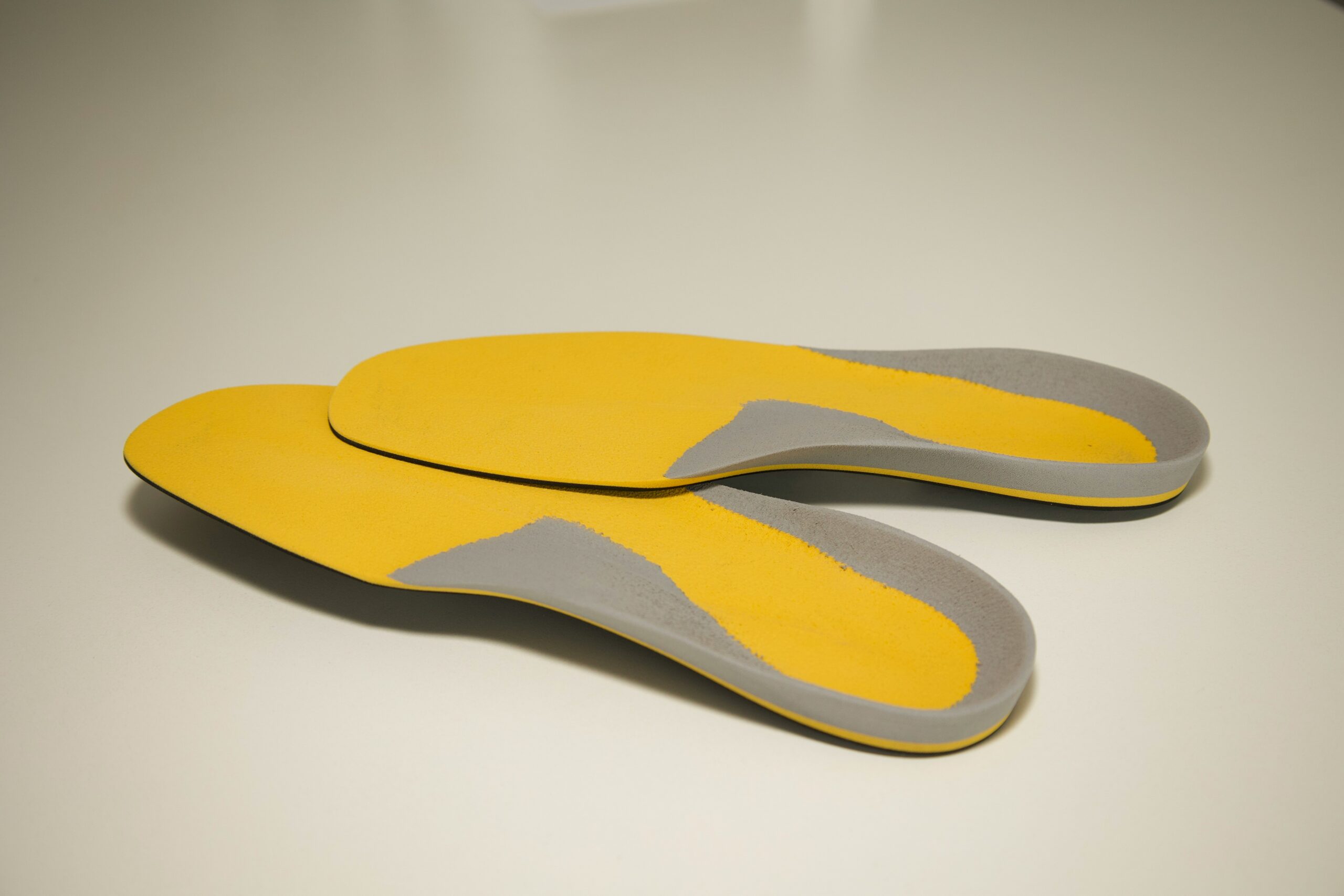 If your feet hurt after a long day, a long walk, or a workout, you may be wondering if shoe inserts could help.
There are many options available, from basic store-bought inserts to medical-grade prefabricated orthotics and custom orthotics made just for your feet. While they may look similar, they serve different purposes.
Here’s a simple look at the differences.
1. Store-Bought Inserts
Best for: Basic comfort and cushioning
Over-the-counter (OTC) inserts are available at pharmacies, shoe stores, and online. They come in general shoe sizes and are usually made from foam, gel, or plastic.
They can help:
- Cushion your feet
- Reduce the impact of walking on hard surfaces
- Relieve mild foot tiredness
- Make shoes more comfortable
What are the limits?
Store-bought inserts are made to fit a wide range of feet. The arch support may be too high, too low, or in the wrong place for your feet.
They can improve comfort, but they usually do not correct the way your feet move.
2. Clinical Prefabricated Orthotics
Best for: More support and better foot control
Clinical prefabricated orthotics offer more support than basic store-bought inserts. They are ready-made in different sizes, but they are designed using medical foot-care principles.
For example, ProLab’s P3 Functional Prefabs use a firm medical-grade material that is also used in many custom orthotics.
These devices can help:
- Support the arch and heel
- Keep the foot more stable
- Control excessive inward rolling of the foot
- Reduce stress on certain areas of the foot
- Provide support during activity
Clinical prefabs may be a good option for active people or for conditions such as plantar fasciitis and metatarsalgia. They can also be used to see how your feet respond to added support before moving to custom orthotics.
What are the limits?
Because they are made in standard sizes and shapes, clinical prefabs cannot be fully tailored to your individual feet. They may not be the best choice for more complex or severe foot problems.
3. Custom Orthotics
Best for: Complex foot problems and personalized support
Custom orthotics are made specifically for your feet. A podiatrist evaluates your feet, how your joints move, and how you walk before designing the orthotics.
Your provider should use a 3D impression or digital scan to create a more precise fit.
Custom orthotics can:
- Match the shape of your feet
- Provide targeted arch and heel support
- Spread pressure more evenly
- Help improve foot and leg alignment
- Address specific movement and structural problems
Custom orthotics may be recommended for more complicated problems, including severe flat feet, rigid high arches, recurring ankle instability, severe bunions, and some diabetic foot conditions.
They are also made from durable materials designed to maintain their shape and support over time.
Which Option Is Right for You?
The right choice depends on your feet, your symptoms, and how much support you need.
For everyday comfort: A quality store-bought insert may be enough if your feet simply feel tired after a long day.
For added support: A clinical prefab may be a good choice if you are active, need more structure, or are dealing with an overuse injury.
For ongoing or complex problems: Custom foot orthotics may be the better choice when pain continues or you have a foot structure or alignment problem that requires personalized support.
Not sure what you need?
A podiatric evaluation can help determine what type of support is right for your feet. The goal isn’t simply to add cushioning—it’s to find the right level of support to help you stay comfortable, active, and moving well.